For smaller spaces
Useful extra storage when space on the property is limited.
2.99m × 2.44m × 2.59m external, approx.
Explore 10ft containersStart with what’s going inside it. A unit renovation, a garage full of boards and fishing gear, stock for an online shop or a club’s barbecue trailer each points to a different size, condition and spot on the property.
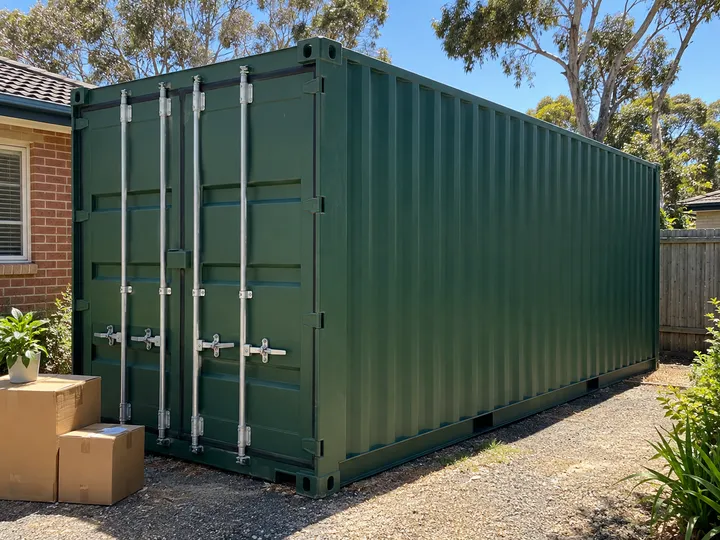
Plenty of Gold Coast enquiries start with the price of a 20ft before anyone has asked whether a 10ft would do, which way the doors should face, or whether the things going inside mind a bit of humidity. So this page works the other way round. Find the description below that sounds most like your job, read that part, and you will have most of what we need to put together a sensible quote.
The Coast is a long strip, from the newer estates around Pimpama and Coomera down to Coolangatta, with the hinterland rising behind it. In a single week we can hear from a townhouse owner in Southport, a family on an older brick block in Labrador or Miami, someone on acreage near Mudgeeraba and a business leasing a shed in an industrial street. The container might be identical for all four. Where it sits, how it is reached and what it needs once it is down are not.
Useful extra storage when space on the property is limited.
2.99m × 2.44m × 2.59m external, approx.
Explore 10ft containersA practical starting point for home, tools and everyday business storage.
6.06m × 2.44m × 2.59m external, approx.
Explore 20ft containersMore room for a larger storage job, where the property and delivery access allow.
12.19m × 2.44m × 2.59m external, approx.
Explore 40ft containersWatertight applies to cargo-worthy and new single-trip grades only. As-is units are sold as seen and are not sold watertight.
Gold Coast homeowners spend a lot of time either renovating or getting a place ready for sale, and both mean emptying a room or two. A 20ft holds most of the furniture from a three-bedroom house when it is packed carefully; a 10ft suits one or two rooms. With the container on your own driveway, you can fetch the winter doona or the good platters without driving to a storage facility.
Humidity is the thing to plan for. Summers here are warm and sticky, and a closed steel box can form condensation on the inside when the temperature drops overnight. Leave a hand’s width between the walls and anything soft, stand furniture on pallets, and put a few moisture absorbers in before you close the doors. Load mattresses and upholstered lounges last, nearest the doors, so they are easy to check and air on a dry day.
In a townhouse or unit complex, read the body corporate by-laws before ordering. Many complexes do not allow anything on common property, even for a fortnight, and a visitor car park is not your space to fill. The committee or building manager can usually tell you quickly whether a container is possible and where.
A lot of Gold Coast garages stopped holding a car years ago. Boards, a tinny on its trailer, paddle skis, mountain bikes, fishing rods and the camping gear for the Easter trip all fight for the same floor. A container in the side yard or behind the shed gives that gear a lockable room of its own, and the car gets the garage back.
Fibreglass and foam do not like heat, and a container in full afternoon sun gets very warm inside. If you can, place it where it catches some shade, and rack boards on their rails rather than stacking them flat. If you are hoping to back a trailer boat straight in, measure the boat and trailer together, drawbar included, and compare that with the door opening rather than the outside of the box.
Salt comes in with the gear. Rinse reels, outboards and wetsuits before they go inside, wipe sand off the door seals now and then, and give the hinges and locking bars a little grease every few months.
The Coast has no shortage of small businesses run from a spare bedroom: swimwear and clothing labels, surf accessories, supplements, candles and craft for the weekend markets. When cartons start taking over the hallway, a container is a common next step before leasing a shed. It is a dry, lockable room on your own property, with space for shelving down both sides and an aisle in the middle.
Think about how often you will be in and out. If you pick and pack every day, place the doors where you can reach them without moving the car, and leave enough room to stand at the doors with a trolley. Cardboard and soft goods are where condensation shows up first, so keep cartons off the floor. For anything you sell, a new single-trip or a checked cargo-worthy unit is a better fit than the cheaper as-is grade.
Running a business from home can raise zoning questions, particularly if customers will collect from the container or it will sit in front of the house. City of Gold Coast can tell you what applies to your property.
Electricians, carpenters, landscapers and pool builders often keep more stock at home than fits in the ute. Fitted with shelving, a 20ft becomes a small warehouse: cable drums along one wall, fittings sorted into labelled tubs on the other, and long lengths of timber or conduit along the floor. A high cube gives extra headroom if you plan to rack materials vertically.
If the container is going into a leased business yard, ask the landlord where it may go before it arrives. A container in a marked parking bay can put a tenancy at odds with its lease. On a home block, keep the doors visible from the house if you can, and fit a lock box so a padlock is harder to attack. Ask about lock boxes when you enquire.
Nippers and surf clubs, junior footy and netball clubs, schools and festival crews all collect equipment that comes out a handful of times a year: marquees, barbecues, line markers, lighting, signage and trophies. A container on the grounds gives all of it one home instead of five sheds and somebody’s garage.
On council-owned land or a leased reserve, the committee will need permission from whoever controls the site, and the groundskeeper will want to know where the truck will drive across the grass, especially after rain. Shared equipment also needs shared rules. Agree who holds the keys, fix an inventory to the inside of a door, and keep the heaviest items at floor level near the opening so volunteers are not climbing over stacks.
Tell us the suburb, what is going inside and roughly how much of it, which way you would like the doors to face, and whether a body corporate or landlord needs to agree first.
Photos of the street, the driveway or gate and the spot you have in mind let us confirm the right vehicle. For a hinterland address, include the last stretch of road and the steepest part of the driveway.
For one or two rooms of furniture, a 10ft is usually enough. For most of a house, a 20ft. In a complex, the space the body corporate will allow is often the deciding factor, so check that before choosing a size.
They can if condensation is ignored. Keep goods off the floor and away from the walls, use moisture absorbers, and open the doors to air it on dry days. Cargo-worthy and new units are sold wind and watertight. As-is units are not sold watertight, so choose the grade with the contents in mind.
That depends on where it will sit, how long it will stay and what it is used for. City of Gold Coast can confirm what applies to your property, and a body corporate or landlord may have rules of its own.
Yes. Ask for photos of the unit you are being quoted and we will send them before delivery.
We quote hinterland addresses too. Narrow, winding roads and steep driveways affect which vehicle can reach you, so include photos of the driveway and the final stretch of road with your enquiry.
Read the access guide before choosing where the container will go.
Plan your deliveryYou don’t need to know every size and grade. Tell us what you’re storing and where it’s going, and we’ll help you work it out.